
How to Rock the Ghostwriting Process

Last week — while in the midst of ghostwriting an ebook, and having just landed another, regular blog ghostwriting gig — I posted about my writerly motivations, and about how I slowly warmed up to ghostwriting as a viable career option.

Now, as a major deadline approaches (the first draft of this ebook is due on Friday), I thought I’d take a break (I’m such a procrastinator) and share how you can rock the ghostwriting process.

1. Familiarize yourself with the client. Your client may be a particular person or an entire company. Either way, it’s your responsibility to do your homework and research what your client’s biz is all about, and how they’ve communicated to their target audience in the past. Pay close attention to their mission, their goals, and their voice. You’re going to need to deliver copy in that very same voice, nailing every nuance and turn of phrase.

2. Ask lots of questions. Before signing on to the project, ask the client about those things you weren’t able to glean from your initial research… and ask them to confirm the things you already discovered. Some good questions to ask:

  • What are you hoping to accomplish with this particular project?
  • Who is the intended audience?
  • Should the voice match the voice in your other marketing materials?
  • Do you have examples of content you’d like me to emulate?
  • Tell me about your motivations… for the company, for the project, and for your service or product.

3. Make sure you’re on the same page. After agreeing on a flat fee for my most recent ebook project, I drew up a proposed TOC and worked with the client to get it to a place we were both happy with. Doing this not only earned me the first small chunk of my fee, but it ensured that I would have a previously-agreed-upon road map for a project that might otherwise have been overwhelming. Agreeing upon an outline with your clients is always a good idea.

4. Break up the project into eensy-weensy, bite-sized pieces. When my client first told me when he wanted a first draft of the ebook, I threw up in my mouth a little. Luckily, I was able to use our agreed-upon TOC as a guide for drawing up a weekly writing schedule. And this schedule wasn’t just for me. At the end of each week, I’ve sent my client the most recently completed sections of the ebook. This has made it easier for him, because he can make editing notes as we go along, rather than devouring the entire book all at once. And this has made it easier for me, as I can be reassured that he’s happy with my work, and I can easily change direction if necessary.

I also made sure that our contract included time spent on various rounds of edits. Because there’s nothing I hate more than scope creep (aside from a late paycheck).

5. Do a small sample before moving forward. It could also be a smart move to do a small sample before actually going forward with the project in the first place, stipulating that you will be paid for the work you do. That way, if the client suddenly decides you might not be the right fit for them, they’re only out a little bit of money, and you’re only out a little bit of time.

6. Remain in constant contact. When you’re working on a large-scale project, it can be disquieting to not have any feedback at all on what you’re doing. That’s why I like to be in constant email contact regarding edits, sidebar suggestions, interview plans, and more. Quasi-regular phone calls to talk about the project are also helpful… and extra-motivating.

7. Use tracked changes. It makes the editing process less headache-inducing, and more efficient. I will even go so far as to say that I heart tracked changes.

8. Gleefully send out your invoice. Hopefully, you’ll have agreed upon a payment schedule that allows you to invoice at various benchmarks throughout the project. That way, you won’t have to go for an extended period of time without a paycheck, subsisting on ramen noodles and that half-empty bag of frozen shrimp that’s been in your freezer for the past three months.

9. Roll around in your hard-earned money. Okay. So rolling around on top of a single check may be less fulfilling than rolling around in a pile of cash, but it amounts to the same thing.

10. Buy a pretty dress. Or buy some groceries. Or pay some bills. Or invest the money back into your business. Go on. You’ve earned it.

Of course, all of these tips could apply to most any freelance project you work on… not just ghostwriting projects. But I’ve found that the first few tips become even more important when you’ve signed on to become the voice of someone else. As a ghostwriter, you are representing your client in a very big way. You are becoming your client. Because of that, their satisfaction is your number one goal.

Pretty dresses can be number two.

Related: Do You Write for the Bucks or the Byline? How I Started Ghostwriting
Do You Write for the Bucks or the Byline? How I Started Ghostwriting

There was a time when seeing my name in the newspaper, or in a glossy magazine, was enough to make me squee.

I hated assignments that didn’t offer author credit, and generally avoided them. What’s in it for me? I thought, not even considering the possibility that a paycheck could be enough.

In fact, when I first began writing about sex and my editor brought up pen names, I shrugged off his suggestion. I wanted the credit, no matter how kinky the content.

(Which is why my Playgirl debut was particularly thrilling. They ran a cartoonified head shot of me next to my article… and directly below a drawing of what appeared to be an orgy. My mom made copies and handed them out to friends.)

So how did I end up ghostwriting ebooks and blog posts?

I’ve been working on a big ghostwriting project for the past month and, since I started, some people have asked me for advice on how to get into ghostwriting. The truth of the matter is that I didn’t seek out ghostwriting opportunities, and never even considered it an option for me. I mean, I was absolutely traumatized when I found out that Carolyn Keene was actually a collective of ghostwriters (Nancy Drew, you broke my heart). And I thought that getting the credit for something you didn’t write was totally cheating, and that the ghostwriter was only an accessory to the crime.

But since I started ghostwriting, I’ve come to two realizations:

1. I may have the writing talent but, sometimes, someone else has the fabulous idea and the background knowledge and experience. Putting the two of us together? Writing gold.

2. This ghostwriting stuff pays way better than the other stuff I’ve been doing.

I don’t know if I’ll seek out more work like this. This client came to me because he liked my style and wanted to work together. But if you’d like to take a more proactive approach to ghostwriting, there are some fabulous posts out there that can help you, like:

Stay tuned for a post on how to rock the ghostwriting process. But in the meantime… do you make money as a ghostwriter? If not, would it break your heart to give up your byline?

Related: Having Trouble Defining Your Specialty? How To Determine What Makes You an Original, How To Avoid Homelessness and Starvation When the Checks Aren’t Regular, Pinpointing Dream Job #328

Freelancedom Book Club: The Wealthy Freelancer

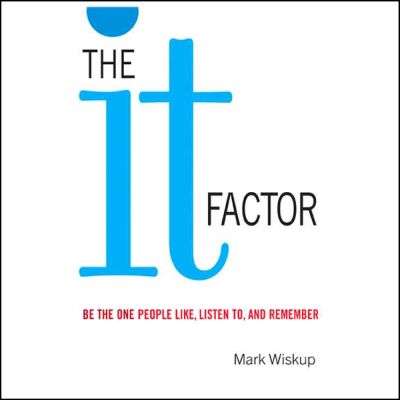
The very first session of the Freelancedom Book Club didn’t go as I’d hoped, but I saw it coming. As soon as I opened my copy of The It Factor and started reading, my first thought was : Oh crap. What have I done!? This man is insufferable!

But this month will be different. I promise you. I’ve already started reading my next pick — The Wealthy Freelancer: 12 Secrets to a Great Income and an Enviable Lifestyle – and it has me excited. Twenty-five pages in and I’m already 100 percent sure I’m going to love it.

Why?

Because it’s about so much more than inspiration, motivational speeches, and make-you-jealous case studies (though it has those, too).

Like all the best self-help books I’ve ever read, it contains concrete, step-by-step instructions for taking your freelance business to the next level.

Even better?

You don’t have to put every idea in this book into action in order to rock the house. Picking and choosing even a handful will (allegedly) make a huge difference to your business success.

And in case you don’t believe me, this book and its authors have already been championed among other freelancers I admire: Carol Tice. Thursday Bram. The folks at both FreelanceSwitch and Freelance Folder.

I’ve already started some of the exercises in the book, and I’d love it if you joined me. Come on, you guys. I’m already brewing a pot of coffee for our end-of-the-month book chat. Don’t make me drink it alone. (I totally will. I have a debilitating caffeine addiction.)

Freelancedom Book Club Discussion: The It Factor

When I chose The It Factor last month as our first book club book, I didn’t really expect to be so put off by it. The Amazon reviews were, for the most part, overwhelmingly positive, and its subject matter was one that — as an introvert with social anxiety — I couldn’t get enough of.

But the book  made me angry. Why? The author seemed to have little respect for the readers he was trying to help, blaming their inability to connect with other people on arrogance and laziness.

Is it just me? Is my resentment warranted? Am I just not the intended audience for this book?

Either way, I still felt as if the book contained a lot that was worth discussing. So without further adieu…

1. The author seems to believe that those reading his book suffer from an abundance or arrogance and laziness. He thinks we have a voice in our heads, telling us that what we have to say is worth its weight in gold. But I feel as if the opposite is true. I’m an introvert who loses energy quickly in social settings. I have social anxiety, which makes me feel awkward and self-conscious. And while I have no problem asking people about themselves, I have problems talking myself up, because I fear coming across as a sleazy self-promoter. I also worry about being boring. What do you struggle with when it comes to finding your own It Factor?

2. Wiskup writes that we should talk about the “why” (why does what I’m saying matter to the listener?) early and often, and this I agree with. In fact, I believe that knowing your “why” is the key to creating marketing copy that sells. Have you effectively pinned down your own “why”? How?

3. In Chapter 4, Wiskup writes about painting pictures with your words. I myself have found that using personal anecdotes, and peppering them with personal details, can help an audience connect to you and your message. How have you used storytelling for your freelance business? Do you hesitate to use personal anecdotes when it comes to your networking and copywriting? If so, why?

4. In Chapter 7, Wiskup gives step-by-step instructions for creating your own elevator pitch, and reminds us that “not every pitch is right for every elevator.” His instructions are useful, demystifying the process of putting together a good elevator pitch, and his advice to prepare many different pitches is spot-on. Using his instructions, put together at least one pitch of your own, and share it in the comments section below.

5. I was intrigued by Wiskup’s steps to successful small talk in Chapter 9. I know of many introverts who hate small talk, partly because it makes them uncomfortable, and partly because it feels so phone. But, as Wiskup writes, the best networkers know that small talk is “just a step in the connection process.” Do you feel comfortable with small talk? What did you think of Wiskup’s small talk technique? What has helped you become better at small talk?

And is there anything else that leaped out at you while reading this book? I’d love to hear your thoughts in the comments section below.

Related: Freelancedom Book Club: The It Factor

Spill It: What Does Networking Mean To You?

Earlier this week, J. Maureen Henderson wrote a post for Forbes on what networking isn’t… and what it could be. I cheered as I read her post, because she got it. She got that networking wasn’t about desperation-fueled schmoozing. (Well. It shouldn’t be.) It wasn’t about working a room or handing out business cards willy-nilly. It was about conversation. It was about connection. It was about all the ways we connect with others on a daily basis, in a thousand different ways.

“Blogging is networking,” she wrote. “Being on Twitter is networking. Sending your BFF a job posting that you think would be perfect for her roommate is networking. Asking Jim in Marketing if he knows someone who is aces at web design is networking. When your new hair stylist asks what you do for a living and you answer her? That’s networking.”

Last year, J.M. did a video interview with me about my career coaching business. That was networking, too. One of J.M.’s blog readers saw that video and became my very first e-course student.

What else is networking?

  • Maintaining a presence on LinkedIn.
  • Interviewing someone for a magazine article.
  • Schmoozing at the latest blogging meetup.
  • Being friendly with those outside partners and publicists you collaborate with while at your day job.
  • Sharing contacts with other writers.
  • Making the most of your internship.
  • Taking continuing education classes.
  • Creating a writing group once the semester ends.
  • Letting your husband talk you up to his colleagues.
  • Proving your worth as a freelance writer.
  • Telling your friends you’re looking.
  • Chatting up your classmates at your weekly callanetics class.
  • Yukking it up at the latest media party at that bar downtown.
  • Keeping in touch with the young woman who taught Sword Swallowing 101 at your very first sex party.
  • Spinning a crappy job offer into a more beneficial freelance relationship.
  • Milking that mentor for all she’s worth.
  • Approaching people for informational interviews, and accepting lunch invitations from editors at all levels.

All of the items on this list have led directly to paying work: Permalance gigs. Regular clients. Columns and regular blogging gigs. The ability to finally break into those publications I’d been eyeing. My first few full-time jobs. Freelance projects.

In fact, in some cases, the ones that — in my mind — were the furthest from networking were the ones that ended up being the most lucrative, or leading to the most interesting work.

So what does networking mean to you?

Related: Today’s Definition of Networking? Not So New

News Flash: Both Marriage And Freelancing Are Hard

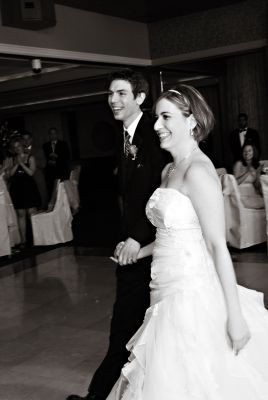
Because everything is more attractive in black + white...

Four years ago today, Michael and I promised each other our undying love and devotion*. We said “I do,” danced the night away, and rode off into the sunset. [Okay. We passed out in our hotel suite, but same difference.]

Within a month, I also went full-time freelance. Michael added me to his health insurance plan, and I set about trying to see if I could make it as a writer or something.

Since then, both our marriage and our careers have had their major ups and downs. Michael went from feeling stuck in a direct mail copywriting job to excelling in the start-up web development world. I lost a permalance gig at the start of the recession, and struggled for a year to regain my footing before learning the power of diversification. We tried unsuccessfully to sell our condo. We tried unsuccessfully to conceive a child. And in the midst of all this, we lost sight of each other.

In fact, I recently wrote a piece for YourTango on how Michael and I almost separated.

The truth of the matter is, neither Michael nor I are the same people we were four years ago. And neither are our careers.

And at first that worried us.

But it doesn’t anymore.

Because we learned that, as we changed, so did our love. And even though our love was different now, it was still strong. Neither of us could live without the other, and that was the most important thing. Once we realized that, we felt a renewed commitment to working hard at our marriage.

And the same holds true for my freelance career. I started out wanting some very specific things. But as I changed, so did my goals. And at first, I was worried that turning my back on one dream was tantamount to admitting defeat. But when I took a good, hard look at that dream, I realized I didn’t want it anymore. I wanted whatever it was that my career was turning into.

And it changes every day.

How have you changed since you first started freelancing? How has your business changed?

*Michael also promised to bring me cats in bed whenever I was sad. I can happily report that he has upheld this promise.

Even Coaches Need Coaches: 4 Experts I Love To Bits

I believe that, in order to succeed, you should always be learning… even after you yourself have achieved expert status (a dubiously subjective term in itself).

Which is why I still take classes when I can, devour self-help books like I devour Peppermint Patties, and continue to seek out new wisdom from around the web.

In fact, when I went through a career coaching certification program back in 2009, I requested my own career coach. Her input was invaluable as I worked on creating a business that played to my strengths.

Since then, I’ve come across a handful of experts I just can’t get enough of… people who excel in areas I’m weak in… people who rock the house at what they do.

So. While I can help you create a strong query letter,  guide you through the ins and outs of the publishing world, and give you the kick in the ass you need to get the publishing career you want, I should probably point you in the direction of those who shine in the areas where I can still use a bit of help.

So as long as you pinkie swear that you’ll come back to me for all the word nerd wisdom you need, I’ll reveal the top 4 experts I love to bits. (Seriously. No clicking through until you pinkie swear.)

1. Darren Rowse of ProBlogger

I launched Freelancedom after becoming a full-time freelancer back in 2007. I didn’t know much about blogging at the time (unless you count the angsty ramblings I posted to LiveJournal), so I searched the web for an expert and found Darren Rowse of ProBlogger. He taught me everything I know about creating online content, and even wrote the book on blogging.

I continue to read his blog and follow him on Twitter, and was thrilled to see that he recently released the book on blogging… for your business. If you’re hard at work building your own freelance business, I suggest you pick up a copy of the brand spanking new ProBlogger’s Guide to Blogging for Your Business.

2. Jenny Foss of JobJenny

I can’t quite remember where I first came across Jenny Foss of JobJenny (On Twitter? On a friend’s blog?), but I was instantly smitten. I loved her sass and her style and her larger-than-life personality. I ate up her every bit of irreverent wisdom, and featured her in my newsletter approximately five trillion times.

I even hired her to redo my resume (one of my weak spots), at which point she created something so amazing I almost wanted to make out with myself. I urged my husband to hire her as well and, with his new resume, he was hired on the spot, and for more than what he had asked for. I urge you to pick up a copy of her ebook, To Whom It May Concern: Or, How To Stop Sucking at Your Job Search.

3. + 4. Dave Navarro (The Launch Coach) and Naomi Dunford (IttyBiz)

I’m listing these two together because I fell pretty hard for them simultaneously, when watching their How To Failproof Your Business video series. I’ve since taken one of Dave’s business workshops (so. effing. good.), and recently bought Dave and Naomi’s How to Launch the **** Out of Your Ebook. Their advice is always solid and specific… exactly what you need when you’re moving from beginner to AWESOME.

So who are your favorite experts? As awesome as you are, who do you turn to when you hit a roadblock?

P.S. A few years ago, I experimented with GoogleAdSense here on Freelancedom. Google made it easy to execute, but I didn’t like the way those ads cluttered up my page, and I really didn’t love how untargeted they were. So I took them down. But I’m working on making my blog a more integrated part of my business plan, and that plan involves advertising income. So this post includes affiliate links, and you can now find affiliate ads for all my favorite experts in the sidebar. I’m going to promise you now: I will never throw up an ad for someone I am not batshit crazy for. This blog is all about giving you the resources you need.